Recently, the publication Semana.com released an overview directed at players looking to locate poker in Canada. This coverage highlights the growing interest in both retail casino gaming and digital betting formats across the country. Industry analysts continue to monitor how consumer search patterns reflect broader market shifts.
The search for localized gambling options underscores the complex regulatory framework governing the Canadian market. Each province exercises independent authority over its gaming sector, leading to a fragmented system of available games. Provincial lottery corporations manage the majority of legal betting channels nationwide.
Locating Poker in Canada: Regulatory Dynamics
The demand to locate card rooms and table games intersects directly with these provincial regulations. In Ontario, the transition to a regulated, open commercial market has altered how players interact with both physical and digital operators. Other provinces maintain strict monopolistic control over their gambling operations.
The Canadian gambling framework requires operators to manage several distinct operational models.
- Ontario operates a fully regulated commercial market for digital and retail gaming.
- British Columbia centralizes its operations through the provincial lottery corporation.
- Quebec relies on Loto-Quebec to manage its casino properties and online betting platforms.
- Alberta utilizes a charitable casino model where proceeds benefit local community organizations.
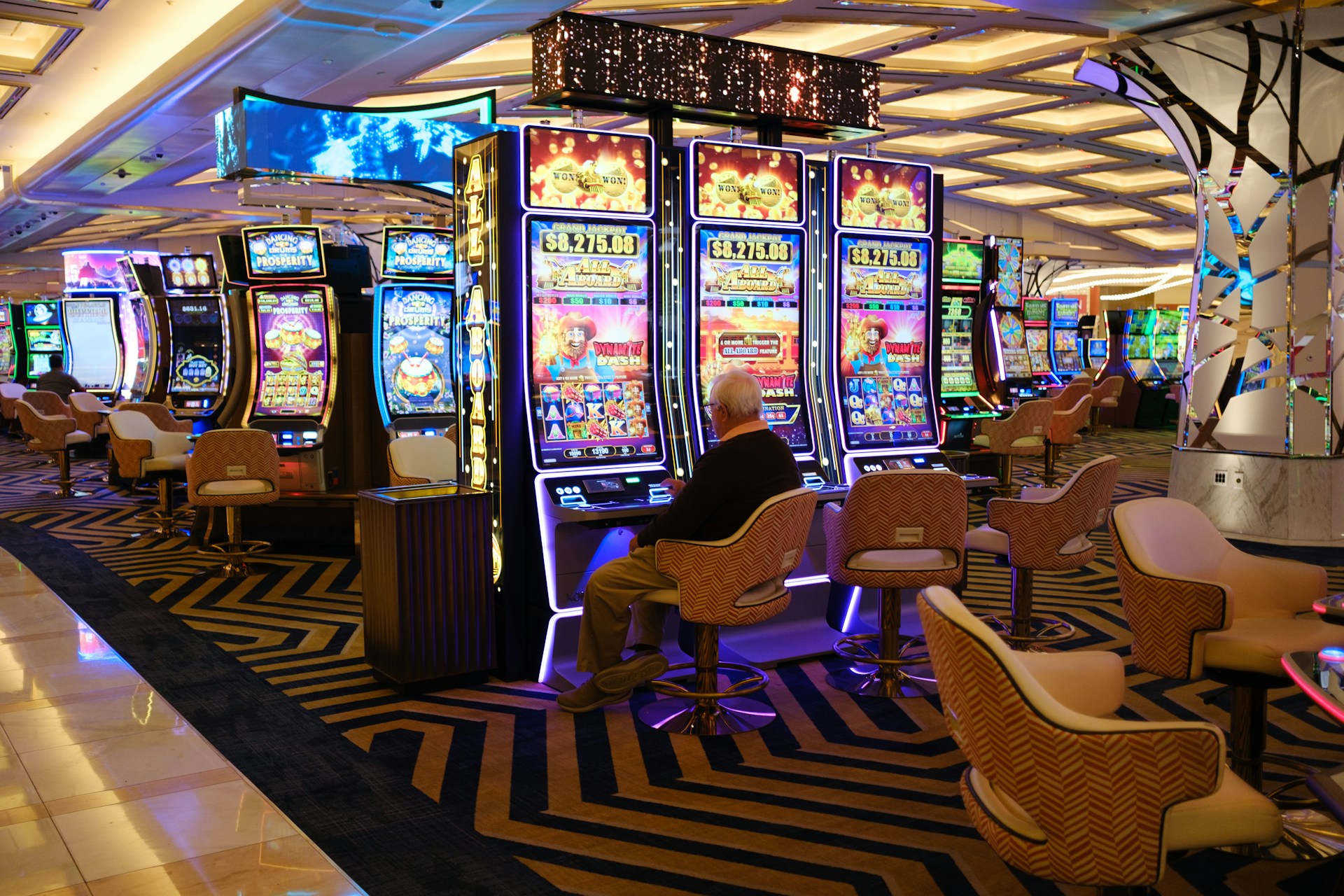
Retail casinos remain a significant revenue driver for local governments and private operators. These facilities offer traditional table games, slot machines, and dedicated card rooms to attract diverse demographics. The physical footprint of these venues requires substantial capital investment and strict adherence to anti-money laundering protocols.
The Intersection of Digital Betting and Physical Casinos
As consumers increasingly look for poker in Canada, the line between digital platforms and physical venues continues to blur. Operators use online portals to drive foot traffic to brick-and-mortar locations. Conversely, physical casinos frequently promote their affiliated digital applications to maintain brand loyalty.
Recent media coverage underscores the importance of accessibility in the modern gambling industry. Search intent often shifts based on seasonal tourism, regional tournament schedules, and newly launched betting platforms. Observers note that data regarding local search queries serves as a reliable indicator of consumer engagement.
Economic Impact of Card Rooms and Betting Operations
The financial implications of regulated gaming extend beyond immediate operator revenue. Local municipalities frequently rely on casino hosting agreements to fund public infrastructure and community programs. These agreements mandate that a specific percentage of gaming revenue be diverted back to the host city.
However, the expansion of gambling availability prompts ongoing debate among policymakers regarding public health. Addiction specialists advocate for a portion of gambling revenues to be explicitly earmarked for problem gambling resources. Regulators must balance economic development with the strict enforcement of responsible gaming measures.
Evaluating Industry Trends for 2024 and Beyond
Market researchers expect the Canadian gaming sector to experience sustained maturation over the coming fiscal year. Operators are streamlining their services to meet the clear demand for localized gaming options. The persistent search for specific table games indicates a stable base of dedicated players.
Technological infrastructure plays a significant role in modern casino operations. Advanced surveillance networks and digital tracking tools allow venues to monitor table game integrity and player behavior. These systems are mandatory components of the compliance frameworks established by provincial gaming commissions.
Furthermore, the integration of cashless payment systems has modernized the retail betting floor. Patrons seeking poker in Canada now frequently encounter digital wallets and integrated loyalty applications at their local venues. This modernization effort aims to reduce friction in the wagering process while enhancing transaction security.
Industry executives maintain that the physical card room experience cannot be entirely replicated by digital platforms. The social dynamics, dealer interactions, and tactile nature of retail gaming continue to draw substantial crowds. Consequently, major casino operators continue to allocate significant floor space to these traditional formats.
More Coverage: Read more in our What’s New section.